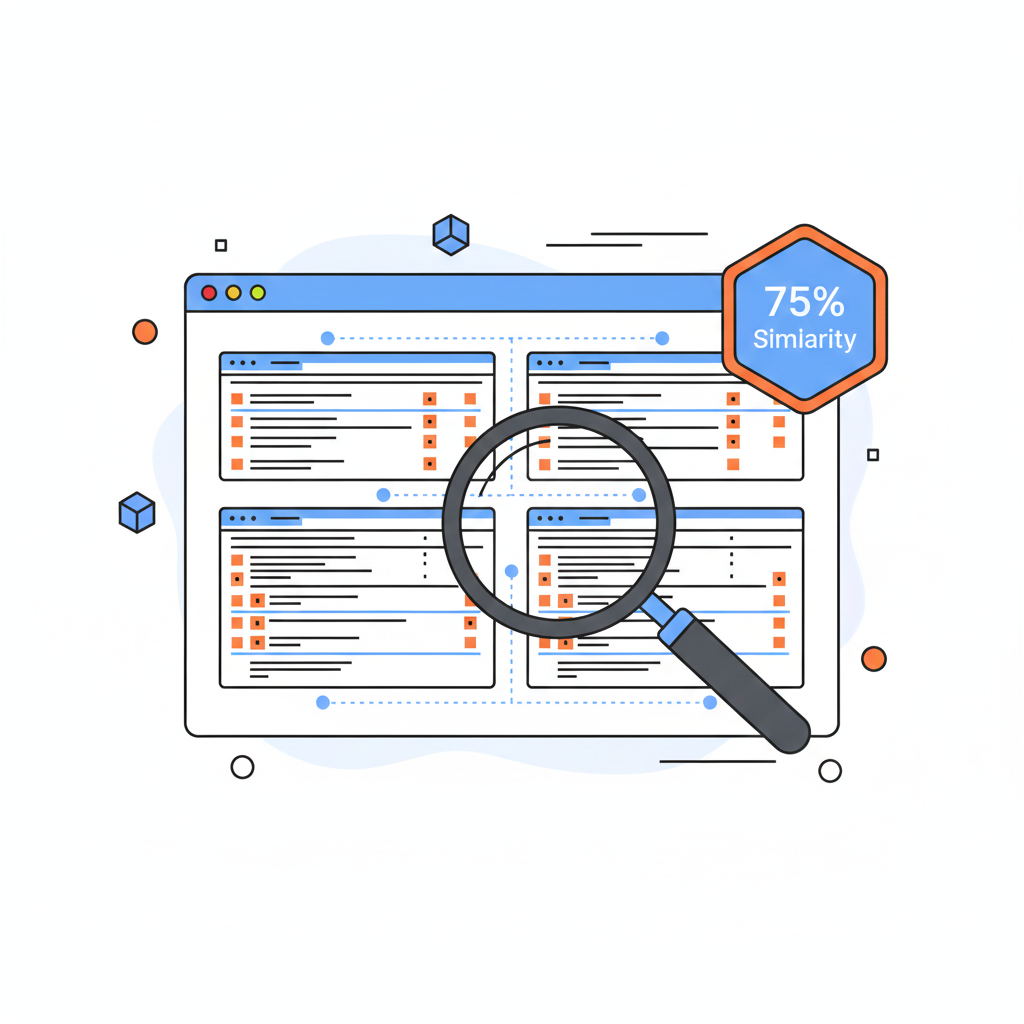
Versioned Canonical
Data Models
Schema management for modern engineering teams.
Schema Compliance
Faster Approvals
Breaking Changes

Schema changes shouldn't be guesswork.
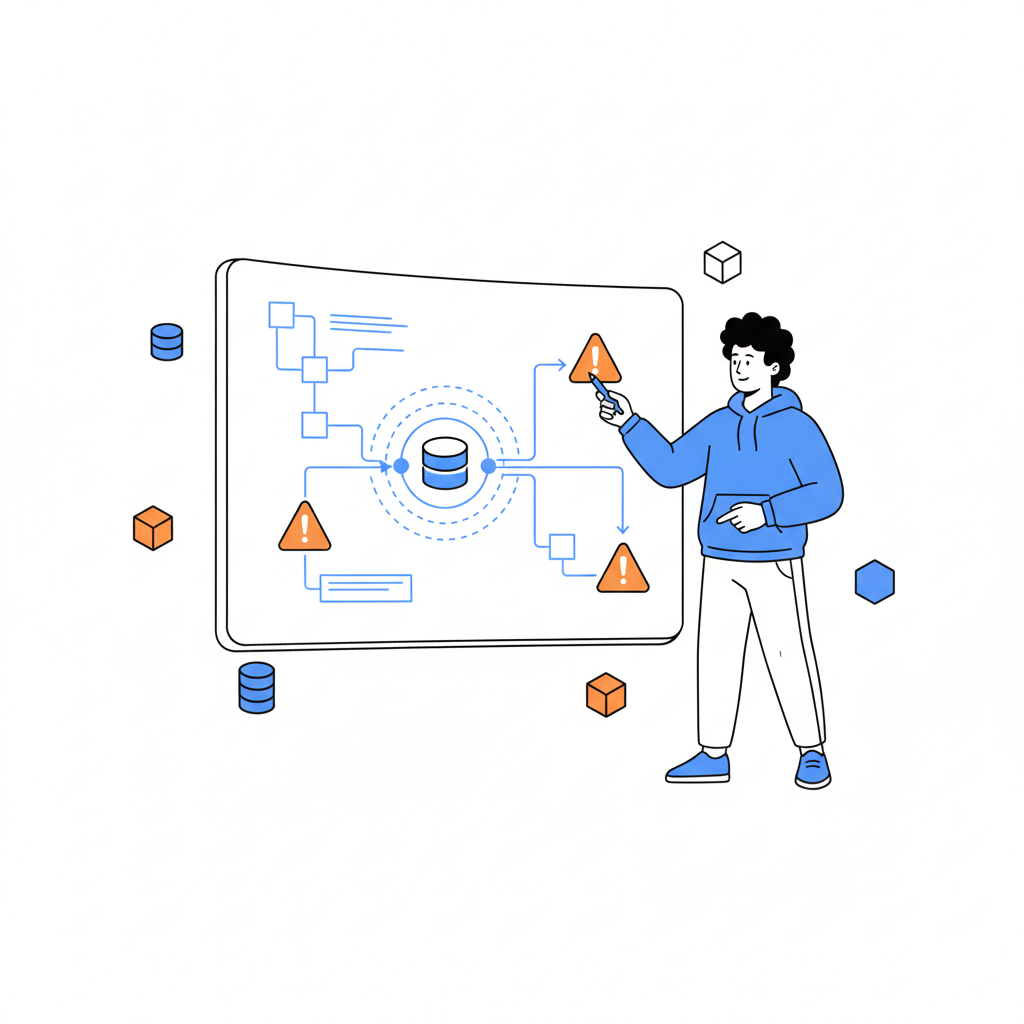
Lack of Visibility
Teams have no clear view of who changed what, when, and why in their database schema.
Risk of Breaking Changes
Schema modifications can break dependent applications without warning or structured review.
No Rollback Capability
Reverting problematic changes is a manual, high-risk process with no version history.
A collaborative approach.
Propose
Submit schema changes as proposals instead of direct modifications.
Every change starts as a reviewable request with full context and documentation.

Built to handle
complexity.
users
orders
Approved
v2.4.1 deployed
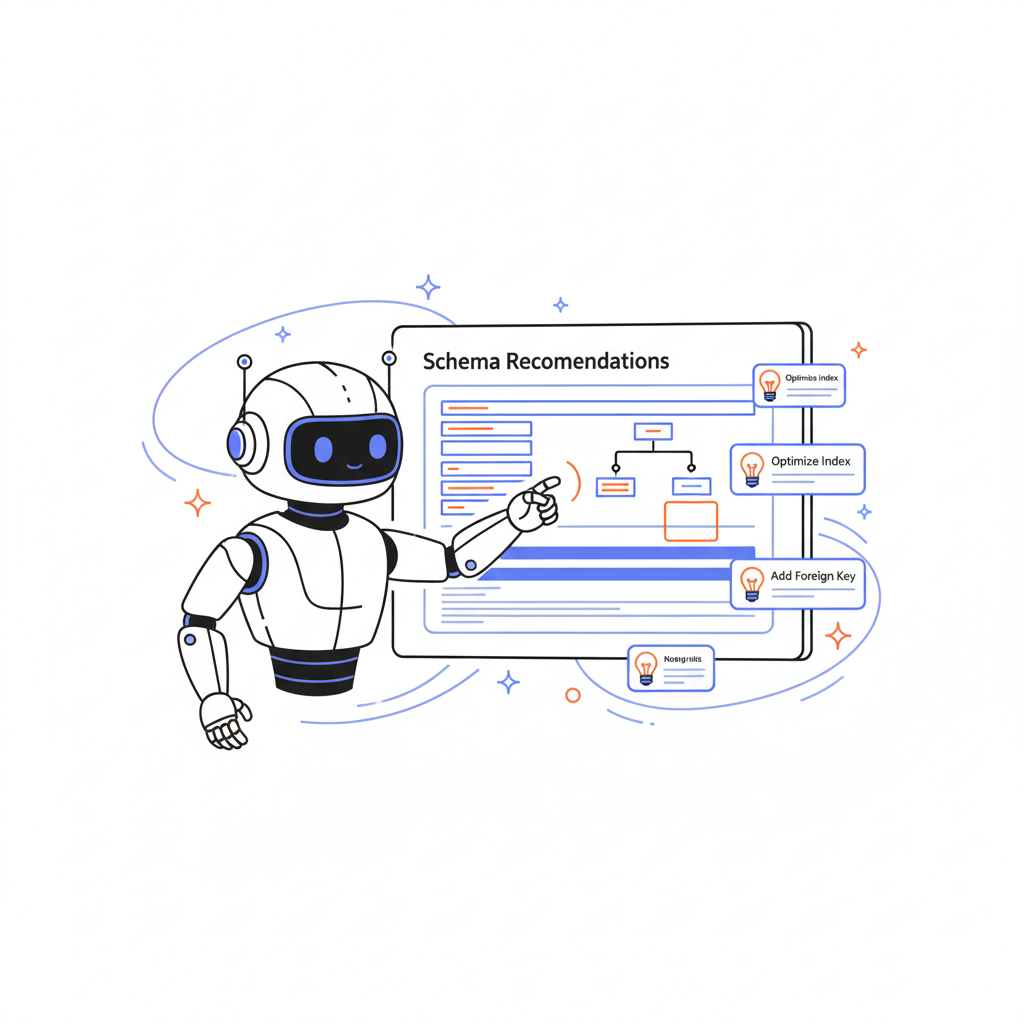
Agentic intelligence with memory.
Agentic AI Agents understand your data models, remember organizational patterns, and help you evolve schemas with confidence.
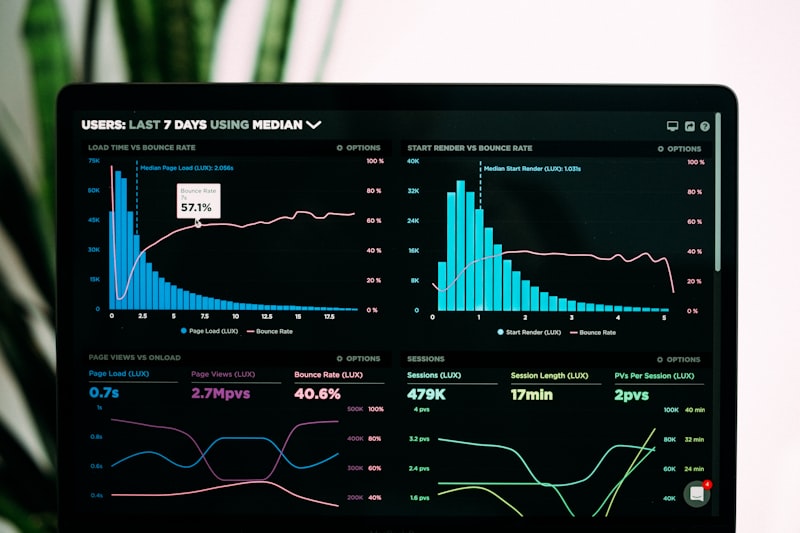
Duplicate Detection Agent
Detects existing or similar data models to prevent duplication and inconsistency.
"Detected similar table: user_accounts (92% structural match)."
Duplicate Detection Agent
Duplicate Detection Agent
Best Practice Agent
Best Practice Agent

Risk Prediction Agent
Risk Prediction Agent

Memory-Empowered Agent
Memory-Empowered Agent

Dependency Mapping Agent
Dependency Mapping Agent
Collaborative schema governance, end to end.
Every schema change moves through a structured, transparent review process powered by agentic intelligence.
Draft
Backend Developer
A schema change proposal is created with context and rationale.
Review
Data Manager
The proposal is reviewed for correctness, consistency, and governance.
Approval
Platform Owner
High-impact or sensitive changes receive final sign-off.
Versioned
System
The approved schema is versioned and recorded as the source of truth.
Governance Guarantees
No schema change reaches production without human approval
All agentic suggestions are explainable and stored
Every decision is traceable to a person and a point in time
Any version can be restored instantly
Built for teams.
A governance layer for how data evolves inside your organization.
Alex
Backend Developer
Uploads updated data model to verJSON.
Agentic AI detects similar schemas and flags structural similarities.
Agentic Best Practice Agent suggests indexing changes.
Alex reviews agent insights and submits the proposal.
Maria
Data Manager
Reviews the proposed schema with Risk Prediction Agent analysis.
Sees potential downstream impact flagged by agent.
Requests adjustment and approves final version.
verJSON versions schema as
v2.4.1with agent insights attached.
Everything you need.
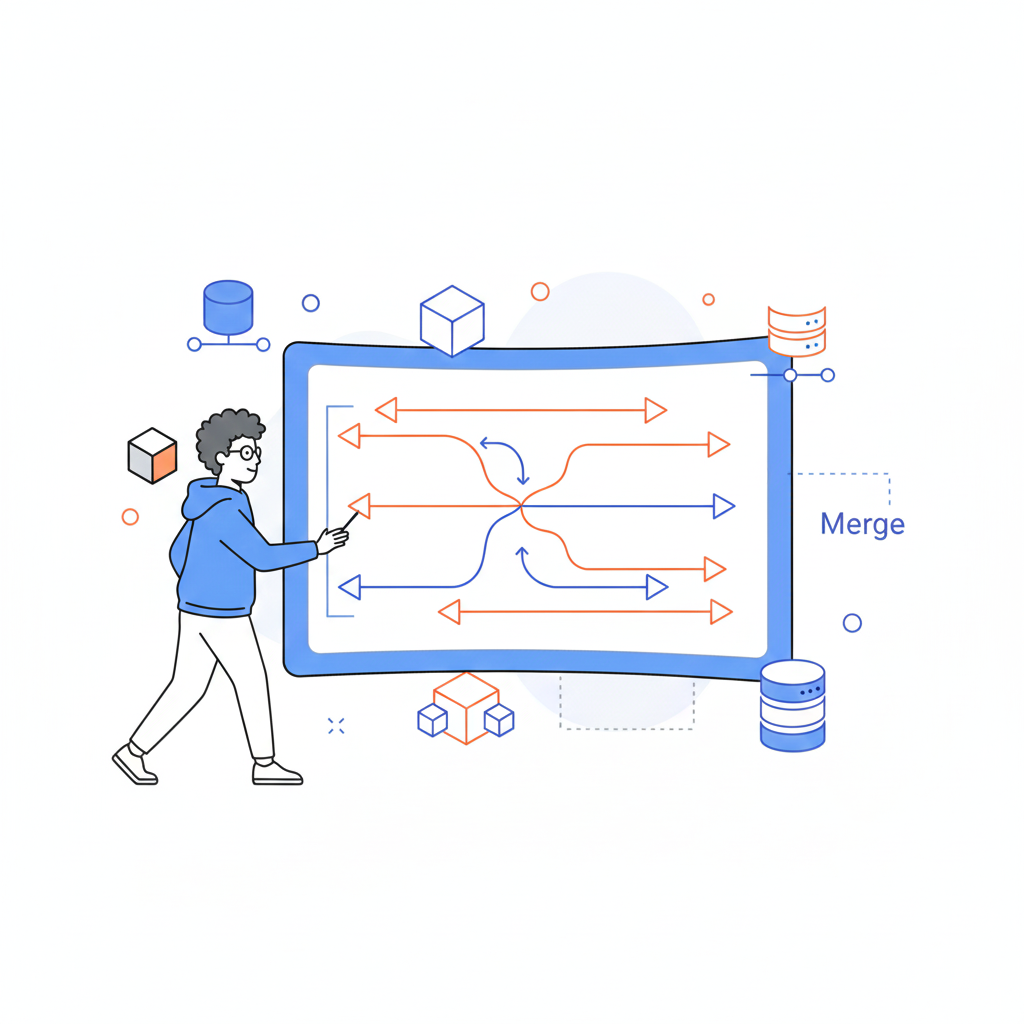
Git-Like Workflow
Branch, propose, and merge schema changes.
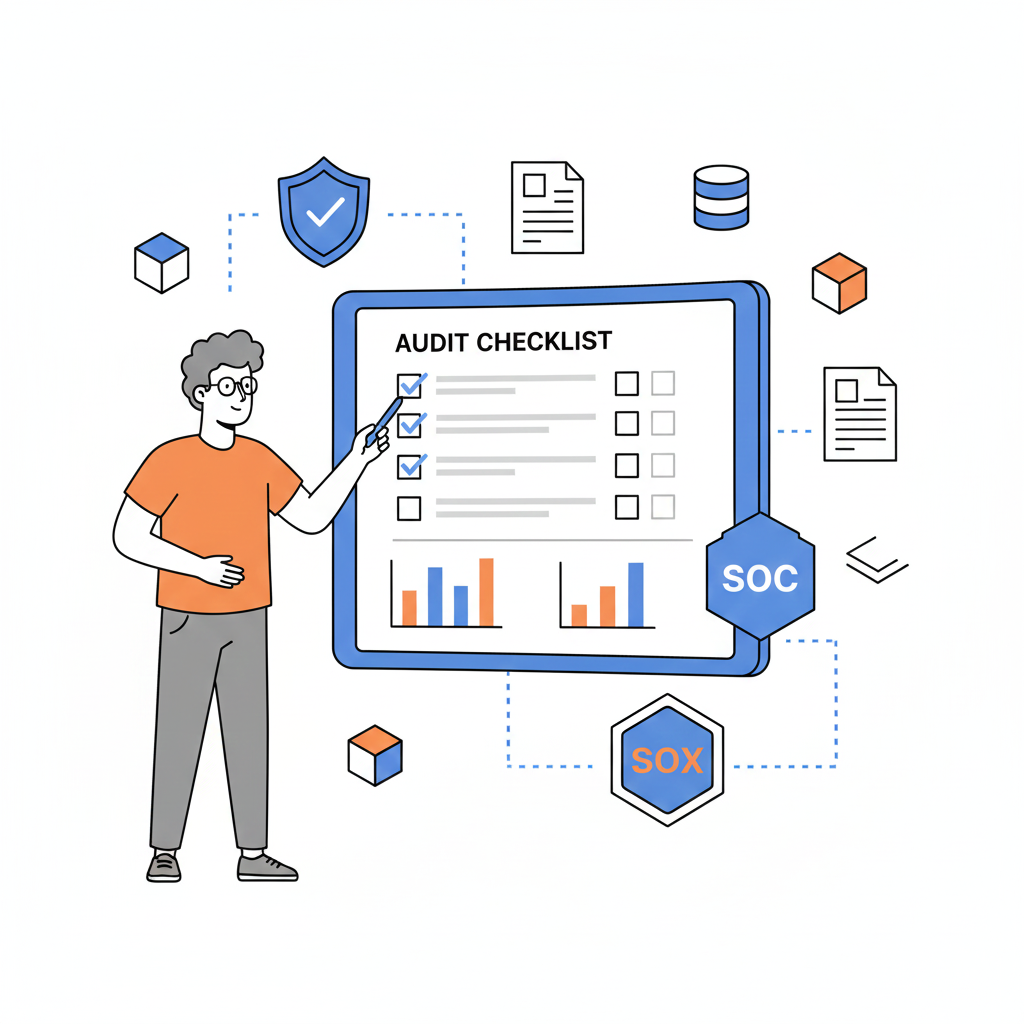
Compliance-Ready
Full audit trails for SOX/SOC compliance.
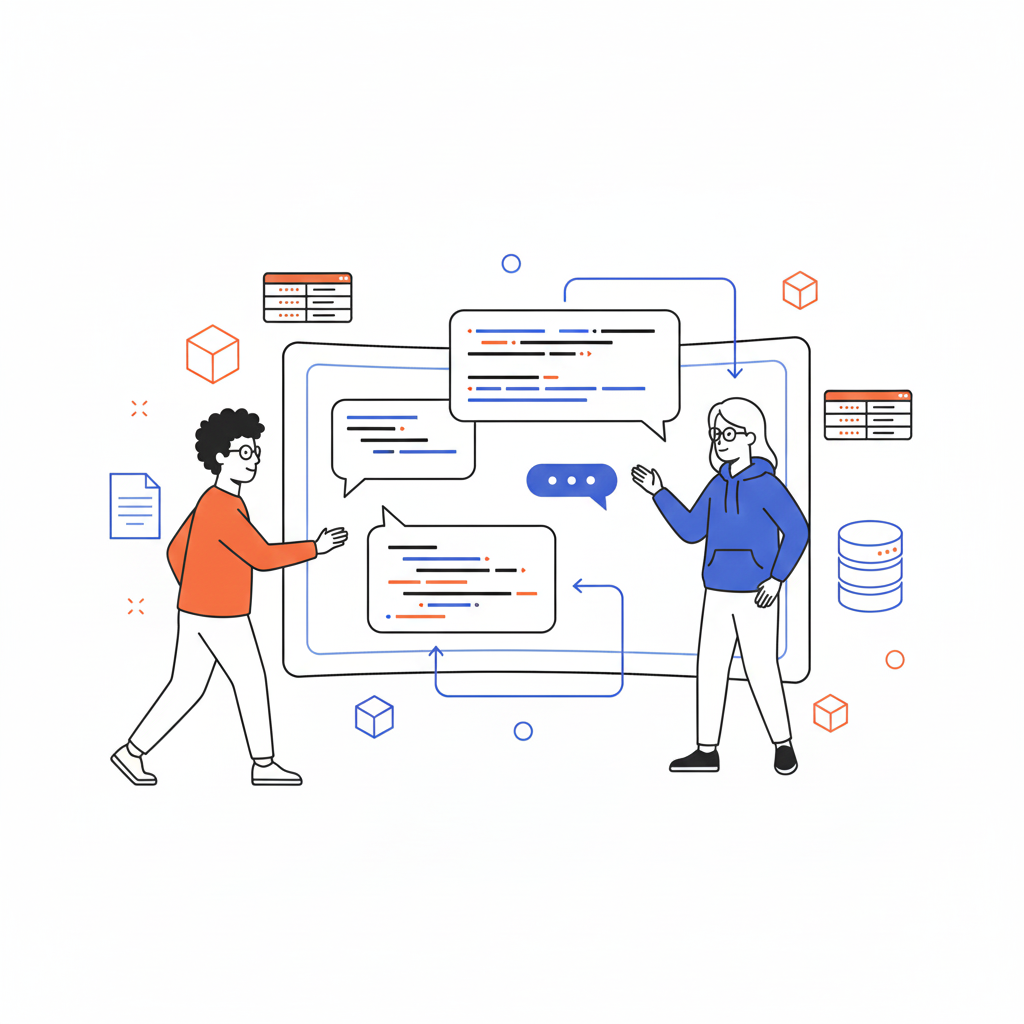
Threaded Discussion
Comments preserved in schema history.
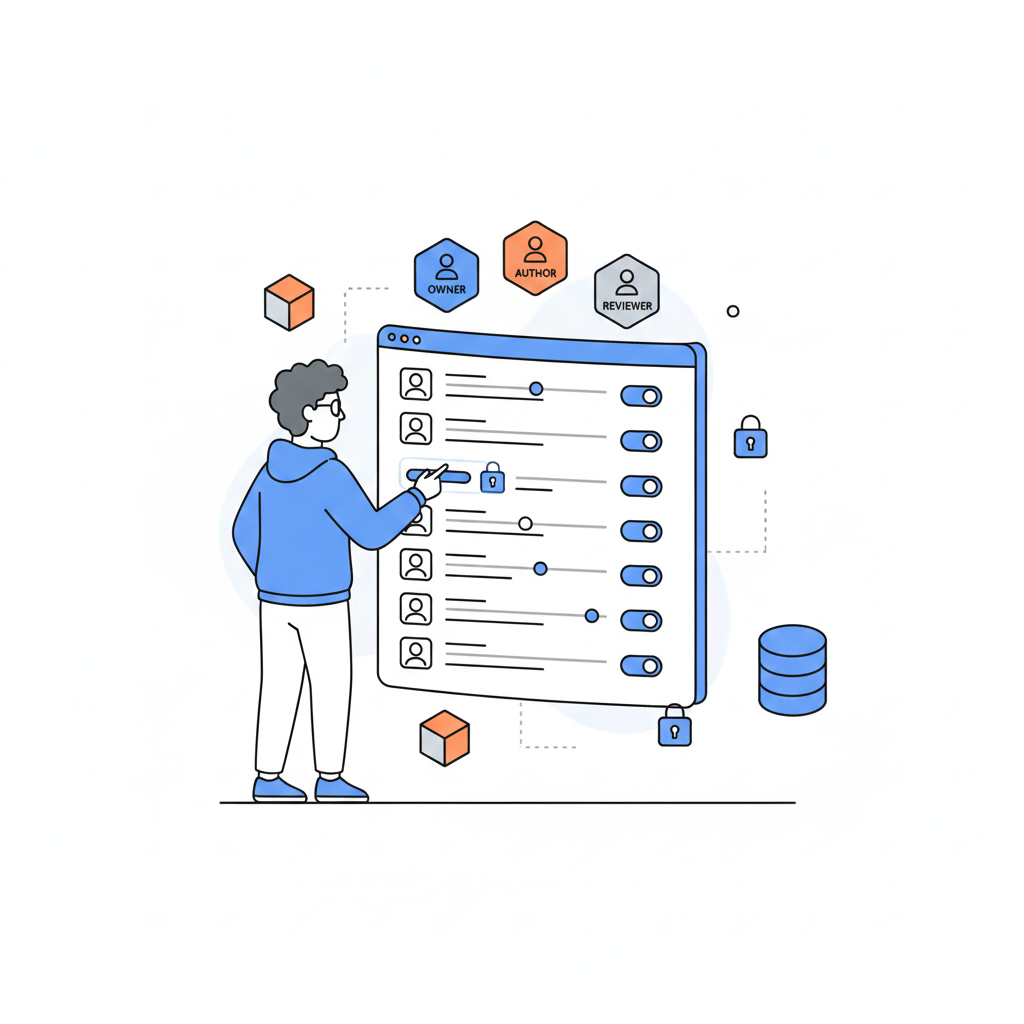
Granular Controls
Define Owners, Reviewers, and Authors.
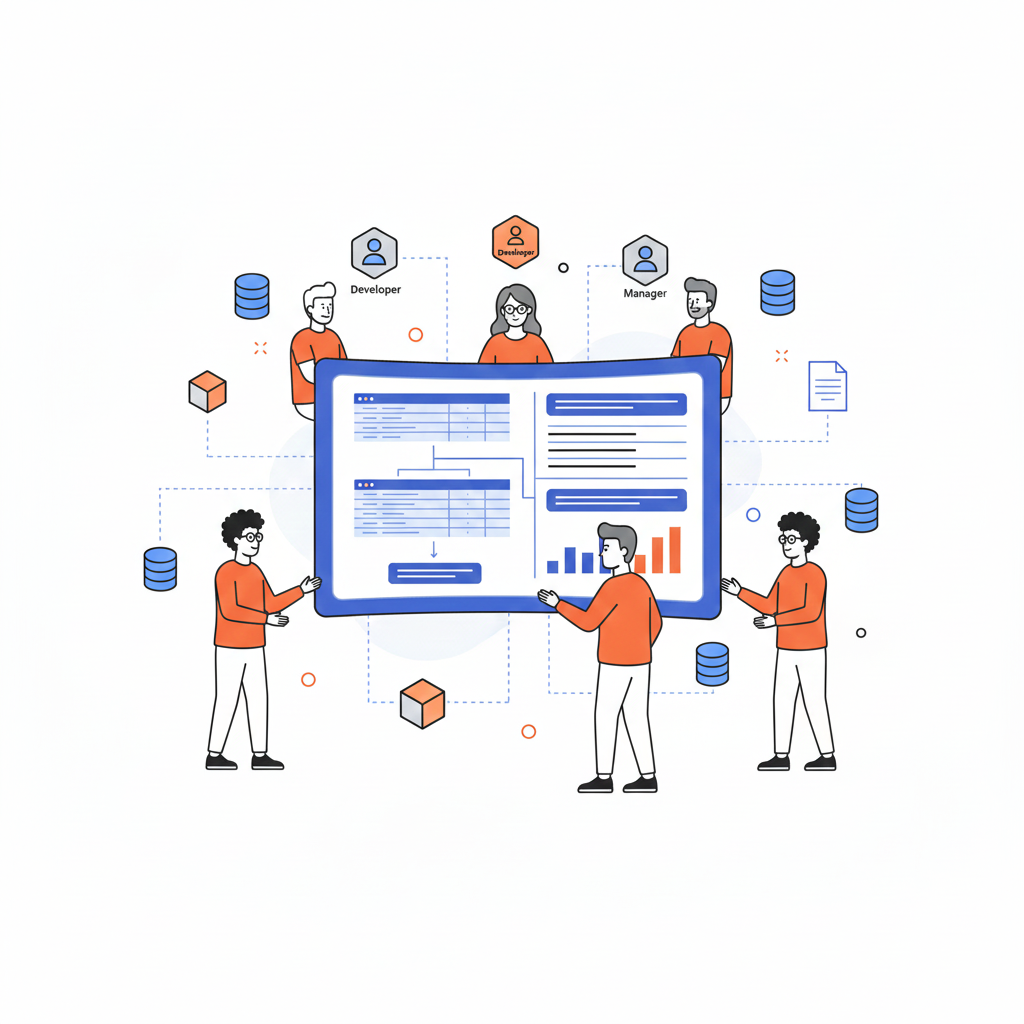
Team Centric
Visibility into cross-team dependencies.
Impact Analysis
Know affected systems before migration.
Agentic Suggestions
Best practice insights from memory-enabled AI Agents.
Duplicate Model Detection
Prevent redundant schemas across teams.